Why does AI video add cuts I never asked for?
My first Seedance films kept cutting between angles and swapping faces. The fix wasn't a better model. It was writing like a cinematographer instead of an editor.
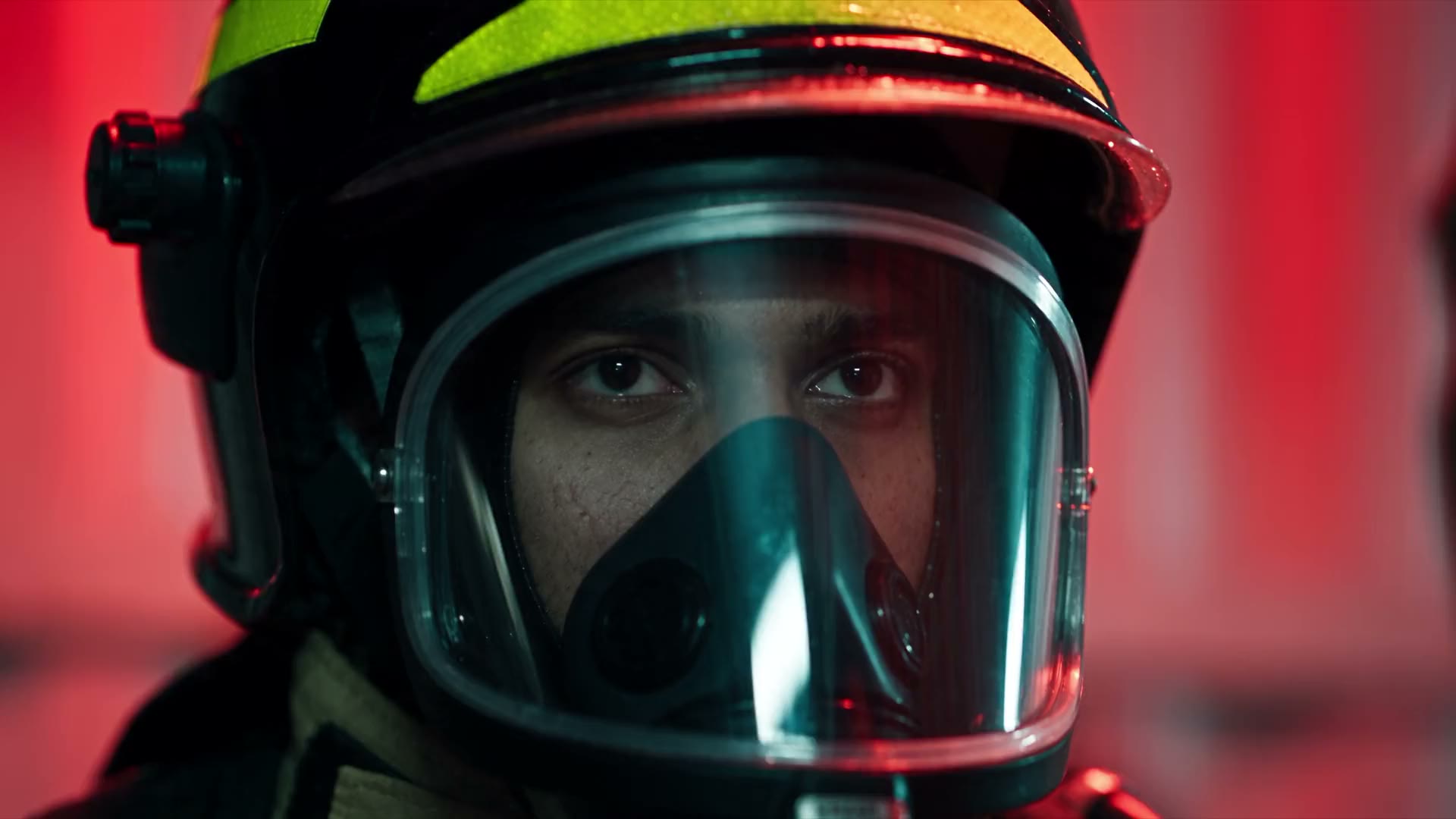
When I started making films with AI, I wrote prompts the way I'd describe a finished film to a friend: "the driver checks the mirror, we see the car behind him, then the scene transitions into the other car." The model did exactly what I wrote. It made edits. Ugly ones, in places I never wanted them. And between the cuts, people changed: one car became two, the driver became someone else.
Why does Seedance cut between shots?
Two habits caused almost all of it.
- Editor-speak. Phrases like "cut to", "the scene transitions" and "we see" read as instructions to make an edit. If you never say how many shots there are, the model decides for you, and it likes to cut.
- Nouns with nothing holding them. "A car… another car… he… his phone." Nothing ties the second mention to the first, so the model is free to reinvent the person or the object every time.
How do you write a prompt with no cuts?
I stopped describing a result and started writing choreography for a camera operator who remembers nothing I didn't write down.
- Own the shot structure. Either say "one continuous shot, no cuts" and repeat it in the constraints, or number the shots with one action each. Never leave it open.
- Anchor everyone. Give each person and object one description and repeat it word for word: "the driver in the grey hoodie", never "he".
- One camera move per shot, with rhythm words: slow, smooth, steady.
- Make the transition a camera move. Push through a mirror, a window or a phone screen until it fills the frame, and let the reflection become the next scene. A transition is something the camera does, not an edit you ask for.
Do longer prompts help?
No, and I learned that the hard way too. On Vighnaharta, my Ganesh Chaturthi film, my prompts had grown long and full of reusable blocks, and the model started hallucinating. Rewriting every prompt short, about 300 words with at most three shots and four references, fixed it. The rule I kept: when a shot drifts, split the generation instead of adding more text.
Where does a human still have to step in?
The model executes. It doesn't decide. It won't notice a stray hand on the back seat, or that a woman who should be struggling to breathe looks lost in thought. Those were my catches on Vighnaharta, and each fix was a direction, not a better adjective. That part of the job hasn't moved to the machine.